
End-of-life doula care is a compassionate, non-medical service that supports individuals and their loved ones during the final stages of life. As society increasingly recognizes the importance of holistic, individualized care at the end of life, doulas have become vital companions, offering comfort, guidance, and emotional support. This article explores the rich history and ongoing evolution of end-of-life doula care, tracing its roots, development, and current role in contemporary care settings.
The History and Evolution of End-of-Life Doula Care
Introduction to End-of-Life Doula Care
End-of-life doulas, sometimes known as death doulas or soul midwives, are trained professionals who help individuals and families navigate the dying process with dignity and compassion. Their work focuses on the emotional, spiritual, and practical aspects of dying, complementing medical and palliative care teams. Unlike traditional healthcare providers, doulas offer non-clinical support, which can include legacy projects, vigil planning, and guidance through grief. The rising interest in end-of-life doula care reflects a broader movement toward honoring the dying process as a meaningful, shared experience.
The role of the end-of-life doula is to foster connection, facilitate open communication, and empower individuals to make informed choices about their end-of-life journey. This approach honors each person’s unique story, beliefs, and wishes, ensuring that their final days are lived with intention and surrounded by care. As awareness grows, more families are turning to doulas for guidance and presence during one of life’s most significant transitions.
Historical Roots of End-of-Life Support
The concept of providing compassionate support at the end of life is deeply rooted in human history. Long before the contemporary doula movement, communities and families cared for their dying loved ones at home, guided by cultural and spiritual traditions. Rituals around death and dying have existed in every society, emphasizing the importance of communal support and shared remembrance.
The emergence of the hospice movement in the 20th century marked a pivotal moment in modern end-of-life care. “The modern hospice movement is often credited to Dame Cicely Saunders, who founded St. Christopher’s Hospice in London in 1967.” Her pioneering work focused on holistic, patient-centered care, addressing physical, emotional, and spiritual pain. This philosophy laid the foundation for modern palliative care and inspired similar efforts worldwide. In the United States, “In 1974, Florence Wald, along with two pediatricians and a chaplain, established the first hospice in the United States: Connecticut Hospice, located in Branford, CT.” These milestones set the stage for the eventual emergence of specialized roles, like end-of-life doulas, who continue to extend the tradition of compassionate accompaniment.
Emergence of the Modern End-of-Life Doula Movement
The term “doula” was initially associated with birth, but its application at the end of life has become more widespread in recent decades. “The first formal use of ‘doula’ to describe end-of-life accompaniment was employed by the ‘Doula to Accompany and Comfort Program’ launched in 2001 through the New York University Medical Center’s Department of Social Services.” This innovative program was instrumental in shaping the philosophy and practices that define the field today.
Since the early 2000s, the end-of-life doula role has grown rapidly, fueled by increasing demand for holistic and personalized end-of-life care. Doulas now serve in homes, hospices, hospitals, and community settings, providing comfort and structure to individuals and their loved ones. This growth reflects both a cultural shift toward open conversations about death and dying, and a collective desire for services that honor individual values and needs at life’s end.
Organizations and training programs have proliferated, helping to standardize the profession and raise public awareness. As more people seek out doula services, the movement continues to evolve, adapting to the diverse preferences and backgrounds of those it serves.
Training and Certification of End-of-Life Doulas
Training for end-of-life doulas typically includes coursework in communication, grief support, ethics, and practical caregiving skills. While there is no single accrediting body, several respected organizations and educational institutions offer comprehensive programs that combine theory with hands-on experience. These programs often emphasize self-reflection, active listening, and cultural sensitivity, preparing doulas to serve diverse populations with empathy and respect.
Certification processes may vary, but generally involve a combination of coursework, supervised practice, and continuing education. Many training programs also include modules on legacy work, vigil planning, and supporting families through death and bereavement. As the field grows, professional organizations are working to establish standards of practice and ethical guidelines to ensure consistent, high-quality care.
The growing recognition and professionalization of end-of-life doulas is reflected in the rise of organizations like the National End-of-Life Doula Alliance (NEDA), which Wildflower proudly sponsors. NEDA’s membership surged from 200 in 2019 to over 1,000 in 2021, underscoring the increasing demand for trained professionals who provide compassionate end-of-life support nationwide.
The Role of End-of-Life Doulas in Contemporary Care
Today, end-of-life doulas play a critical role in modern care teams, bridging gaps between medical providers, families, and the dying person. They offer continuous presence, emotional reassurance, and practical support, often tailoring their services to meet the unique needs of each client. Doulas may help facilitate legacy projects, coordinate family meetings, and create peaceful environments for dying.
In addition to direct care, doulas advocate for greater awareness and acceptance of holistic end-of-life practices. They often collaborate with hospice agencies, palliative care teams, and community organizations to provide seamless, integrated support. As more families seek personalized dying experiences, the demand for doula services continues to rise.
The evolution of end-of-life doula care reflects a broader societal commitment to honoring the dying process as a time of connection, meaning, and shared remembrance. For those seeking compassionate guidance on this journey, resources like Wildflower help families cherish memories and celebrate lives well lived.
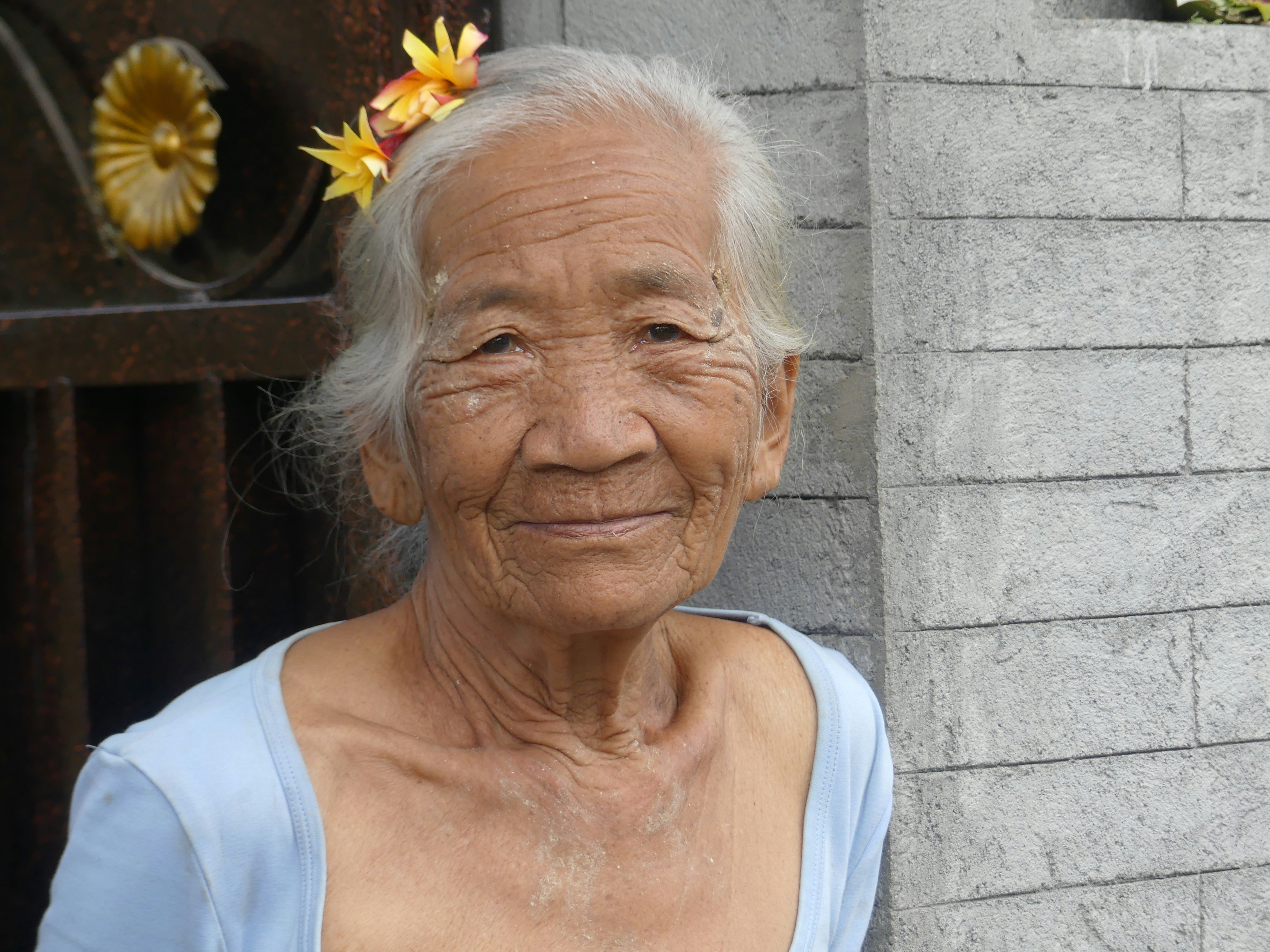
Photo by Nathalie Gurtler on Unsplash
Leave a Reply